
Helping Aging Parents Stay Independent
As our parents age, the conversation begins quietly.
You notice Mom gripping the railing a little tighter. Dad pauses longer at the top of the stairs. The bathroom that’s worked perfectly for 30 years suddenly feels… risky.
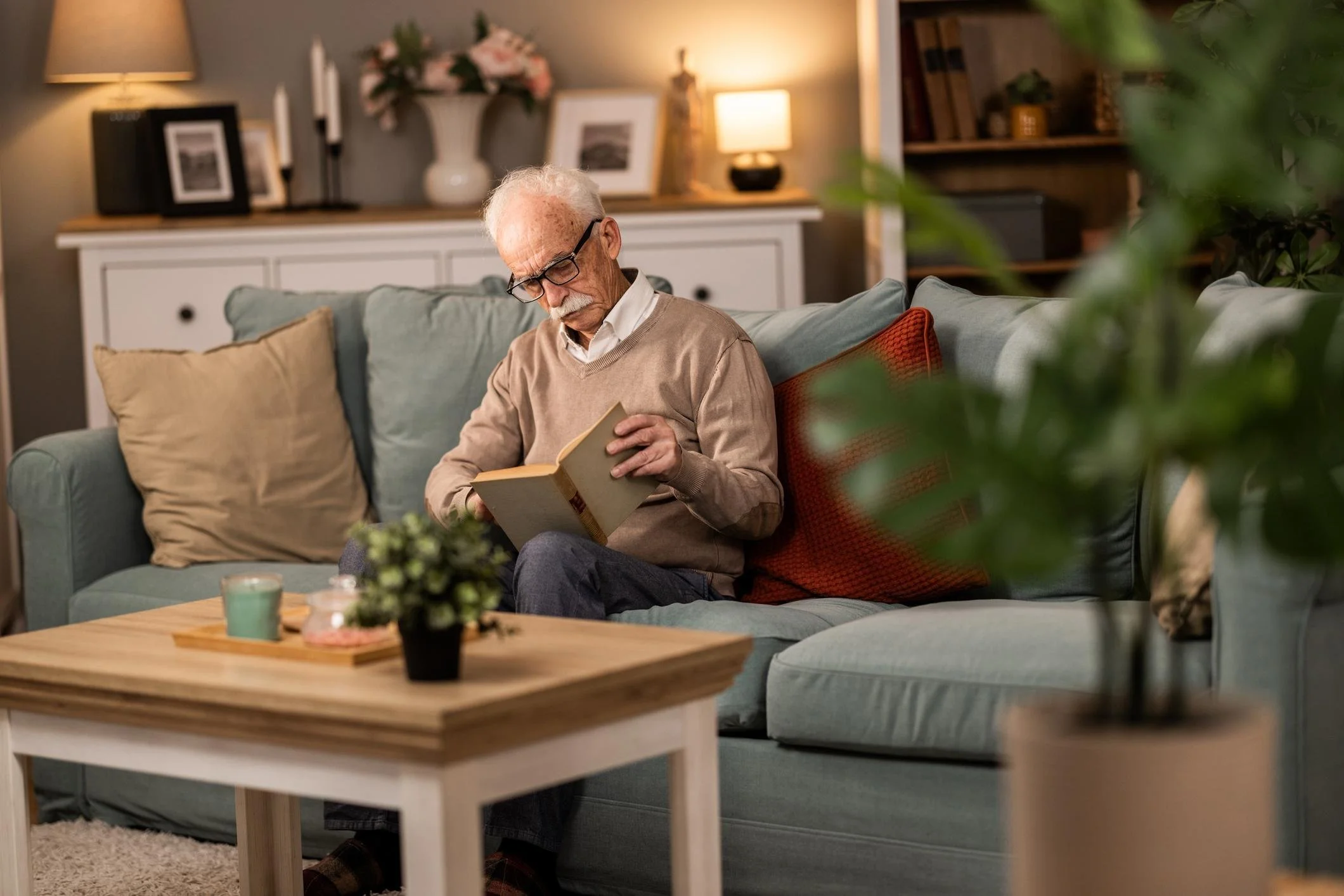
The goal isn’t to take away their independence.
It’s to protect it.
With the right adjustments, aging at home can be both safe and empowering.
Why Independence Matters So Much
For most older adults, staying in their own home represents:
Familiarity
Dignity
Routine
Control
Home holds decades of memories. It’s where they feel confident, capable, and comfortable.
But here’s the reality: most home injuries happen in everyday spaces — bathrooms, stairways, entryways, and kitchens.
Independence and safety are not opposites. When done right, safety upgrades actually extend independence.
The Biggest Safety Risks Inside the Home
Before making changes, it helps to understand the most common hazards:
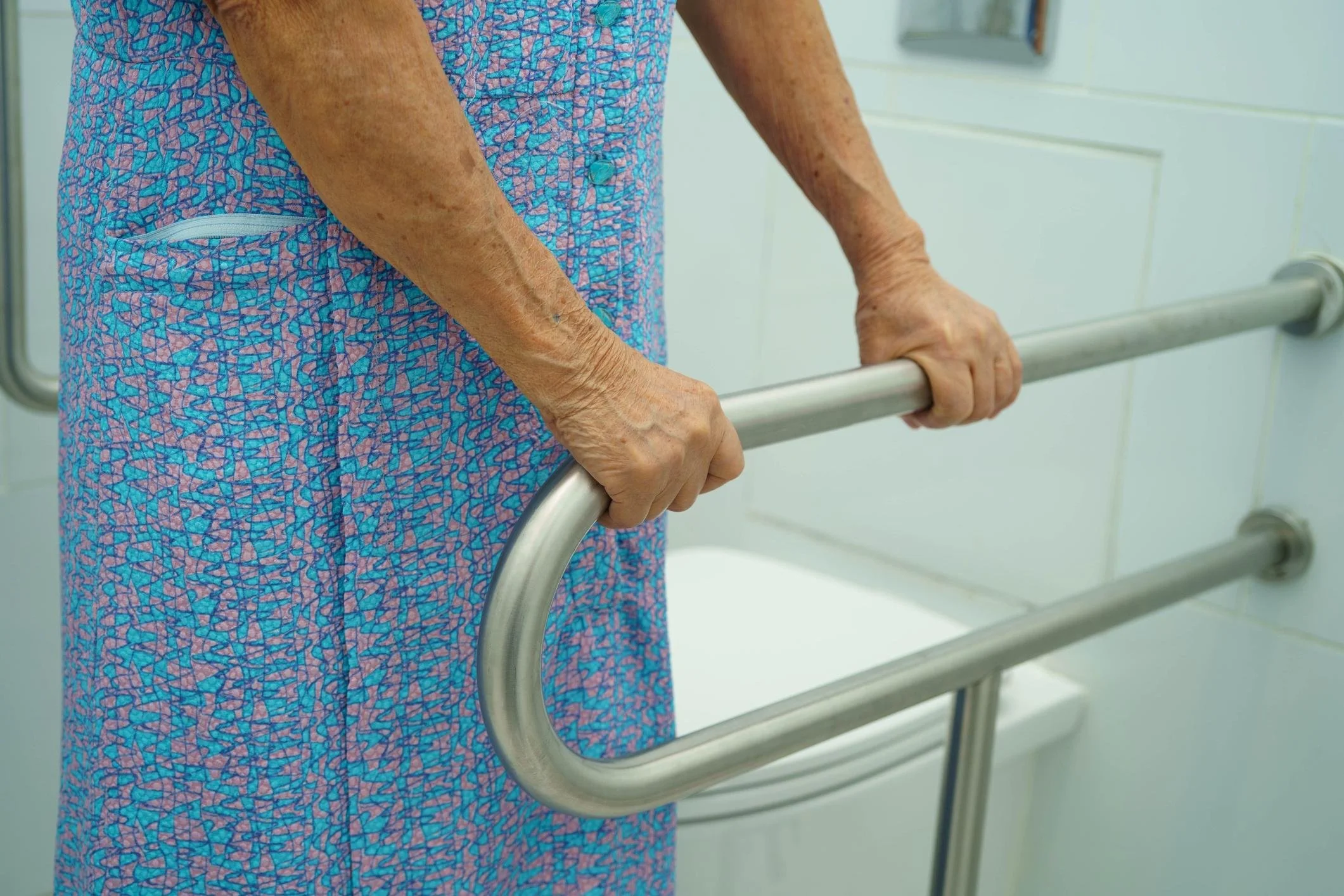
1. Bathroom Falls
Wet floors, high tub walls, and low toilets create instability.
2. Stairs Without Support
Loose or missing handrails dramatically increase fall risk.
3. Poor Lighting
Dim hallways and staircases make depth perception difficult.
4. Entry Barriers
Steps without rails or uneven walkways make leaving and returning home dangerous.
The good news? These risks are highly preventable.
Small Changes That Make a Big Difference
You don’t need a full remodel to improve safety.
Often, a few focused upgrades can dramatically reduce risk:
Grab bars in showers and near toilets
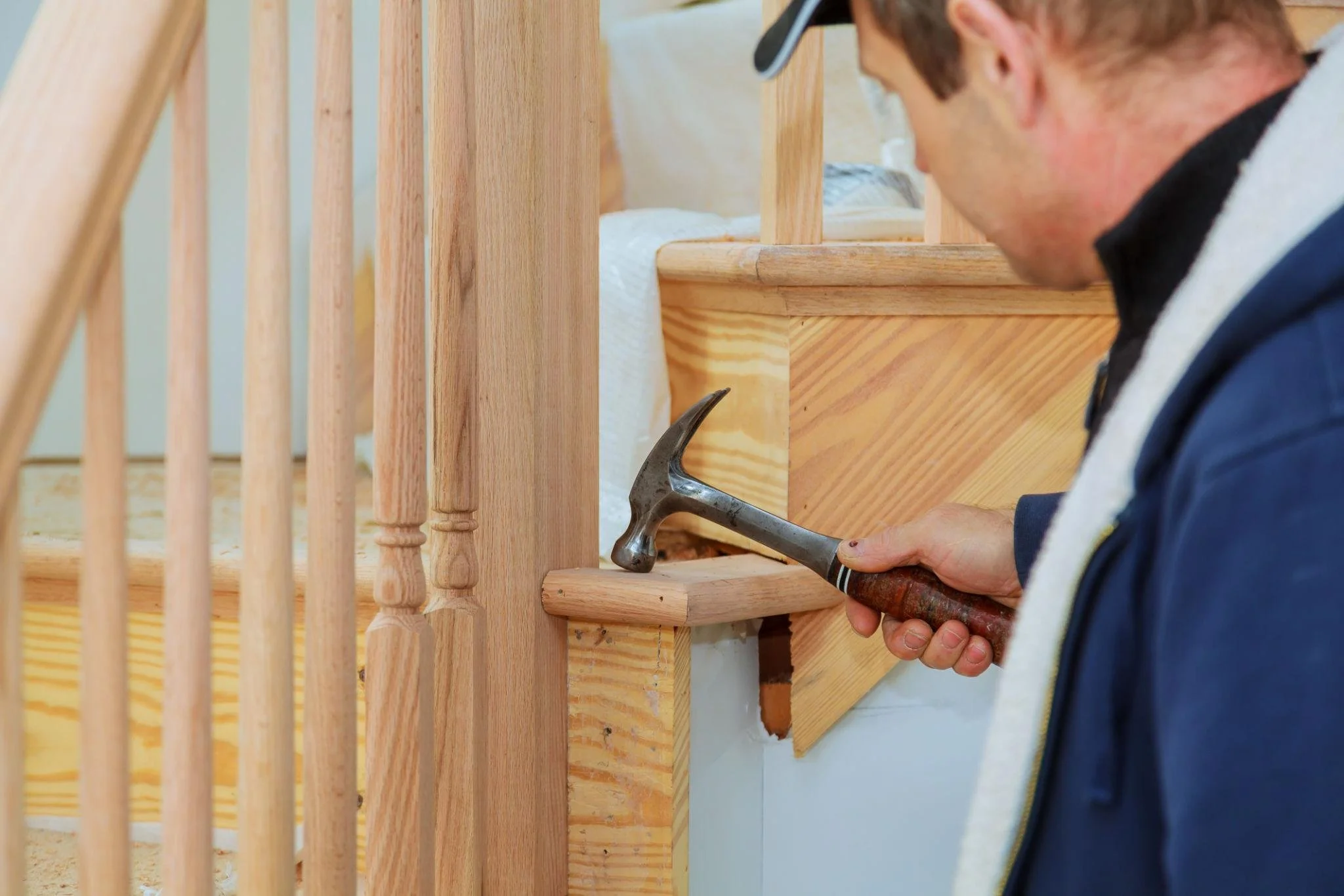
Secure handrails on both sides of staircases
Non-slip flooring or tread strips
Brighter LED lighting in hallways and stairwells
Lever-style door handles instead of knobs
These changes preserve mobility instead of limiting it.
Medium Changes for Growing Needs
As mobility shifts, additional support may be necessary:
Walk-in showers
Comfort-height toilets
Widened doorways
Threshold ramps
Improved exterior railings
These upgrades aren’t about “giving in” to aging.
They’re about planning ahead.
Proactive changes are far less stressful than emergency decisions after a fall.
Big Changes That Protect Long-Term Independence
For some families, larger adjustments may be appropriate:
Exterior wheelchair ramps
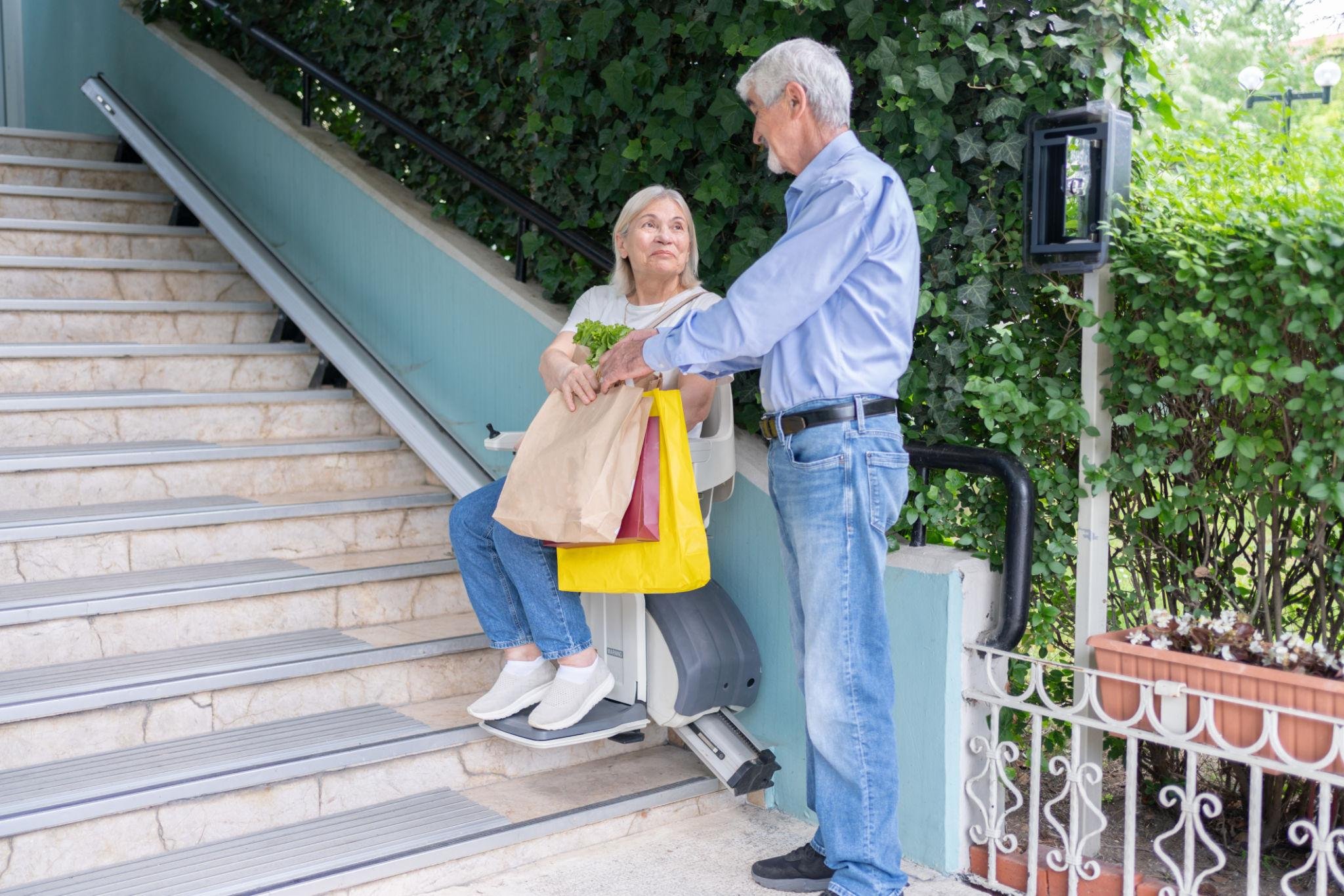
Stair lifts
First-floor living conversions
These solutions allow aging parents to remain in the home they love — safely and confidently.
How to Start the Conversation

Safety upgrades can feel emotional. No one wants to feel like they’re “losing independence.”
Try framing it this way:
“I want you to be able to stay here as long as possible.”
“Let’s make the house work for you.”
“This is about staying strong and confident.”
When parents feel respected, the conversation becomes collaborative rather than corrective.
A Safer Home Is an Investment in Dignity
Aging in place isn’t just about convenience.
It’s about dignity, autonomy, and peace of mind — for both parents and their families.
The right home modifications don’t make a house feel clinical.
They make it secure.
And security creates confidence.
Final Thoughts
Helping aging parents stay independent doesn’t require dramatic change overnight. It requires awareness, intentional planning, and thoughtful upgrades.
The earlier you make adjustments, the longer independence can last.
If you’re unsure where to start, begin with a walk-through of the home. Look at stairs, bathrooms, entryways, and lighting.
Small steps today can prevent major setbacks tomorrow.
Independence is worth protecting.
